
Home Office 2.0: Refreshing Your Space After Years of Remote Work
A recent survey found that more than 40% of Canadians who work remotely spend at least part of their week working from home. What started as a temporary setup at the dining table has evolved into a permanent reality for many professionals. Yet while remote work has become a long-term arrangement, countless home offices are still operating in "temporary mode."
The result? Cluttered desks, overflowing drawers, tangled cables, poor storage solutions, and workspaces that quietly drain productivity instead of supporting it.
If your home office feels uninspiring, crowded, or increasingly difficult to maintain, now is the perfect time for a refresh. The goal isn't to create a picture-perfect office that belongs in a magazine. It's to create a space that helps you think clearly, work efficiently, and feel comfortable throughout the day.
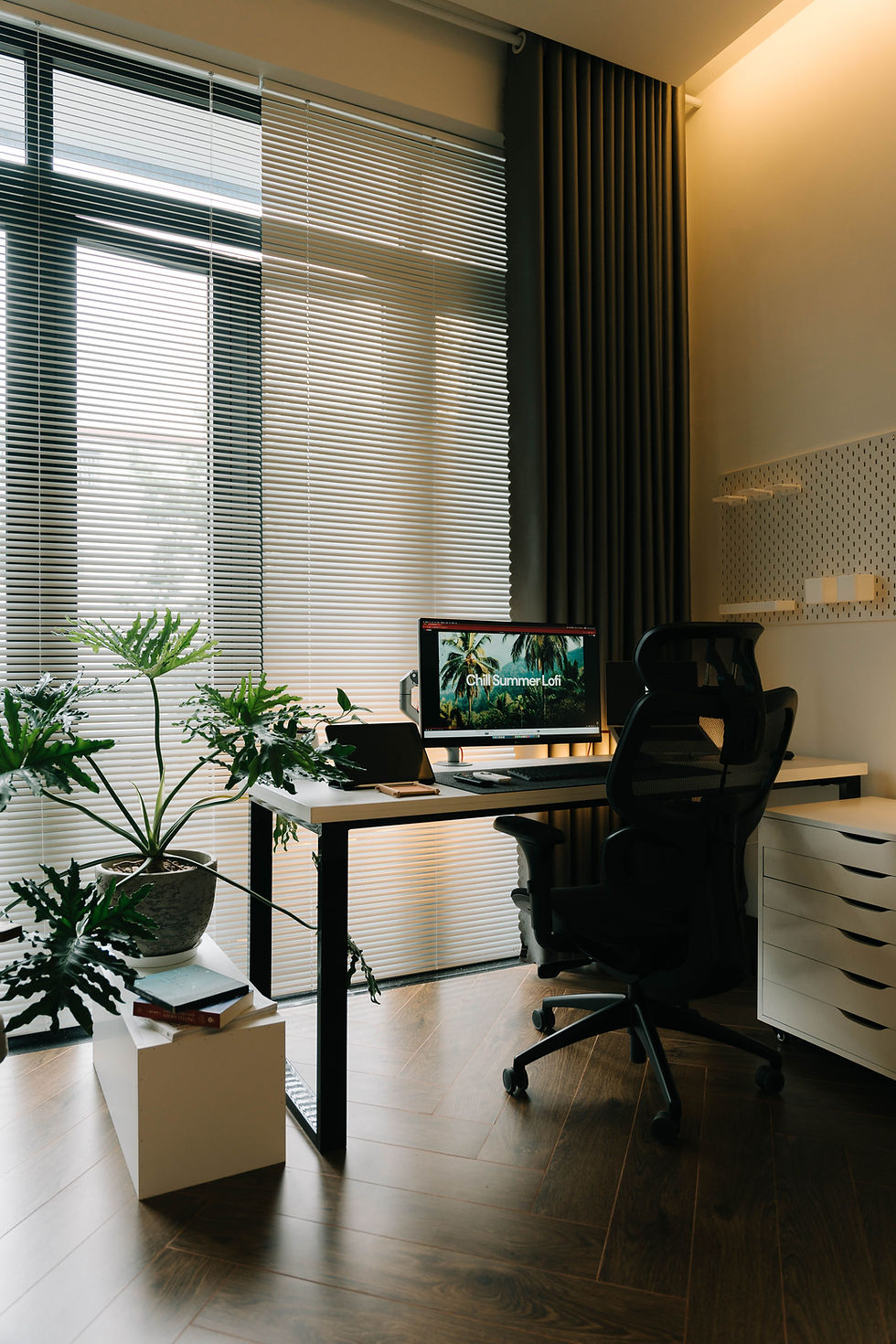
Home Office Organization Starts With Understanding Your Workflow
One of the biggest mistakes people make when organizing a home office is designing it based on how they think they should work instead of how they actually work.
Take a few moments to observe your daily habits. Do you regularly reference printed documents? Do you use multiple monitors? Are you constantly reaching for notebooks, chargers, or office supplies? Do you need quiet space for video calls? Your home office should support your workflow rather than force you to adapt to the room.
For example, if paperwork is a regular part of your day, it makes sense to keep active files nearby in an accessible system. If most of your work is digital, valuable desk and storage space can be reclaimed by reducing paper storage altogether. Small adjustments like these often create noticeable improvements in productivity and focus. A functional home office begins with understanding your unique needs, not copying someone else's setup.
Home Office Decluttering Before You Buy Organizing Products
When people decide to refresh their workspace, many head straight to the store for bins, drawer organizers, and desk accessories. While organizing products can certainly help, they should never be the first step.
Before purchasing anything, remove everything from your desk, shelves, drawers, and filing cabinets. Yes, everything.
Starting with a blank slate allows you to see exactly what has accumulated over the years. You'll likely discover duplicate supplies, outdated paperwork, forgotten electronics, and items that have nothing to do with work.
As you sort through your belongings, create four categories:
Keep
Relocate
Recycle
Shred
Be honest with yourself. If a stack of documents hasn't been touched in years, it probably doesn't deserve valuable real estate in your workspace. If you have office supplies hidden in multiple drawers, consolidate them into one designated location.
Decluttering before organizing makes every future decision easier. It also prevents you from spending money on storage solutions for items you no longer need.
Create Organized Home Office Zones That Support Productivity
One of the most effective professional organizing techniques is zoning. Rather than storing items wherever space happens to be available, zoning assigns every item a logical home based on how frequently it is used.
This approach makes it easier to find what you need and helps maintain organization long-term.
Work Zone for Daily Tasks and Focus
Your primary work zone should contain only the items you use every day. This includes your computer, keyboard, monitor, notebook, planner, and essential tools.
Keeping this area clear reduces distractions and allows you to focus on important tasks without visual clutter competing for your attention.
Reference Zone for Frequently Used Documents
Store active projects, client files, manuals, and documents you access regularly within arm's reach. A vertical file organizer or desktop filing system can help keep these materials accessible without overwhelming your desk surface.
Supply Zone for Office Essentials
Pens, sticky notes, chargers, printer paper, batteries, and other supplies should have a dedicated storage area. Grouping similar items together prevents duplicate purchases and saves time when you need something quickly.
Archive Zone for Long-Term Storage
Tax records, completed projects, warranties, and documents that need to be retained but aren't used frequently can be stored farther away. Shelving units, labelled storage boxes, or filing cabinets work well for archive storage.
When everything has a designated home, maintaining an organized home office becomes significantly easier.
Home Office Organization Tips for Managing Paper Clutter
Even in today's digital world, paper remains one of the biggest sources of office clutter.
Receipts, invoices, notes from meetings, contracts, and important documents tend to pile up quickly when there isn't a system in place.
A simple action-based filing system can dramatically reduce paper chaos. Create clearly labelled folders such as:
To Do
Waiting For
To File
Personal Documents
Business Documents
Tax Records
The key is keeping your system simple enough that you'll actually use it.
Whenever possible, scan important paperwork and store it digitally. Cloud storage solutions make it easy to access documents while reducing the amount of physical paper taking up valuable office space. Less paper often means less stress.
Refresh Your Home Office Setup for Better Comfort and Productivity
An effective home office isn't just organized. It should also support your physical comfort throughout the workday.
Many people have been working from the same setup for years without considering whether it still meets their needs.
Take a close look at the areas you interact with most often. Your chair, desk height, monitor placement, and lighting all affect your comfort and productivity.
Natural light is ideal whenever possible. Positioning your desk near a window can improve mood, reduce eye strain, and make long workdays feel more enjoyable. During Vancouver's darker months, supplementing natural light with a quality task lamp can help maintain a bright and inviting workspace.
Even small ergonomic improvements can make a significant difference over time.
Organize Technology and Cables for a Cleaner Workspace
Technology helps us work efficiently, but it can also become one of the biggest contributors to visual clutter.
Power bars, charging cables, headphones, webcams, external hard drives, and multiple devices can quickly overwhelm a workspace if they aren't managed properly. Set aside some time to organize your technology.
Use reusable cable ties to bundle cords together. Label chargers so they're easy to identify. Store backup cables and rarely used accessories in a dedicated container rather than leaving them scattered throughout your office. A tidy cable management system immediately makes your workspace look cleaner, more professional, and less stressful.
Simple Home Office Organization Habits That Stick
Creating an organized home office is one thing. Maintaining it is another. Fortunately, you don't need hours of upkeep each week to keep your office functioning well.
One of the most effective habits is a five-minute daily reset at the end of your workday. Take a few minutes to file loose papers, put supplies away, clear dishes, and write down your priorities for the next day.
This small habit prevents clutter from accumulating and helps you start each morning with a clean, productive workspace. Consistency is far more important than perfection.
Add Personality Without Creating Clutter in Your Home Office
A productive office should support your work, but it should also feel enjoyable to spend time in. After all, many professionals spend eight or more hours each day in their workspace.
Adding a few carefully chosen personal touches can make the room feel more welcoming while maintaining a professional appearance. Consider incorporating a plant, artwork, framed photos, or decorative accessories that genuinely bring you joy. The goal is to create a space that feels inspiring rather than crowded. A thoughtfully designed office often contributes to better focus, creativity, and overall wellbeing.
When to Hire a Professional Organizer in Vancouver
Sometimes a workspace refresh requires more than a weekend decluttering session. Years of accumulated paperwork, overflowing storage areas, and ineffective organizational systems can make the process feel overwhelming. When that happens, working with a professional organizer can help you achieve results faster while creating systems that are easy to maintain.
Professional home organizers can help identify what's causing clutter, maximize available space, streamline storage, and create customized solutions that support the way you work. Organize by Flo helps homeowners throughout Vancouver and the Lower Mainland transform cluttered spaces into functional, organized environments that reduce stress and improve daily life.
Create an Organized Home Office That Supports Your Success
Your home office has likely supported countless meetings, projects, deadlines, and career milestones over the past few years. Giving it the attention it deserves isn't simply about improving appearances. It's about creating a space that helps you work efficiently, stay focused, and feel more in control of your day.
Whether your workspace needs a complete overhaul or just a thoughtful refresh, investing in home office organization can deliver lasting benefits for both your professional and personal life.
Ready to create a home office that feels calm, functional, and productive? Professional organizing support can help you declutter with confidence, implement systems that last, and maximize every square foot of your workspace. Contact Organize by Flo today to schedule your consultation and discover how an organized home office can help you work smarter and enjoy your space more.


Comments